


Understand what PR is, know how to position yourself to receive PR, and learn how to work PR packages into your Creator taxes with this ultimate PR guide.
If you want to start receiving PR packages as a content creator, then I have good news for you! You don’t need a big audience to start. You can literally start right now.
I got my very first PR package when I had around 1,000 followers. And even though it was just a simple water bottle, that was the moment when I thought to myself, “Oh my gosh, I’ve made it. I’m actually an influencer.” And I think that mindset shift opened up the floodgates for PR for me after that.
So today, I’m going to teach you what PR is, how it’s different from standard brand collaborations, three things brands look for when sending PR, and six things you can start doing right now to receive PR from your favorite brands.
And at the end of this post, we’re going to talk about taxes. There are definitely a few things that you might need to know when it comes to PR and how it relates to filing your taxes as a content creator.
As always, if you’d like to watch instead of read, click the video below. Let’s jump in.
DISCLAIMER: Links included in this post might be affiliate links. If you purchase a product or service with the links that I provide I may receive a small commission. There is no additional charge to you! Thank you for supporting me so I can continue to provide you with free content each week on my blog and on my YouTube channel!
What is PR
First things first, what is PR? I want to start this post by breaking down what PR packages are. And how they differ from standard brand collaborations. Then we need to discuss the expectations that often accompany receiving a PR package.
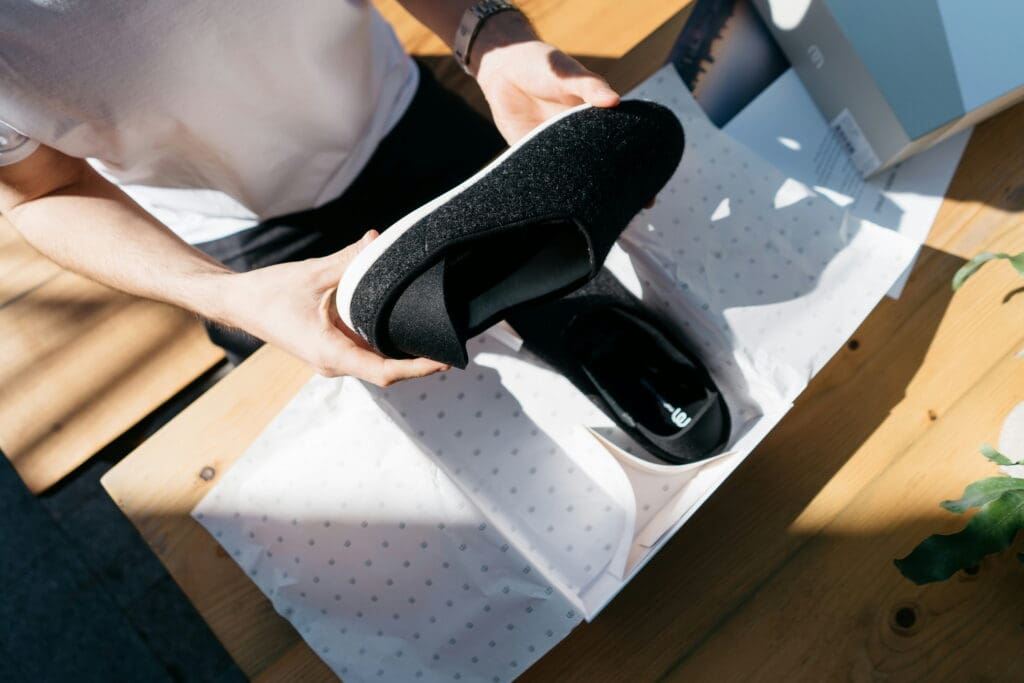
A PR package, or public relations package, is usually a curated box of a brand’s products that they give to creators, media, or influencers in the hopes of generating buzz, reviews, and or organic content about the brand.
It’s important to note that a PR package is not the same as a paid brand deal. PR is a gifted product. Now, it could either be 100% gifted with no legal obligation to post or talk about the product, or it could be gifted with an obligation to post. This second option is also referred to as TFP, or ‘Trade for Post’. In this partnership, you receive the PR in exchange for posting about it.
You need to know which one is which when you’re on the receiving end of a PR package. This is something you need to discuss with the brand and agree on before you get the product (or before you agree to receive it). Let me share a couple of examples with you.

Gifted with No Obligation to Post
The examples that I want to give are from recent PR packages that I’ve received.
First, we’ll talk about a gifted PR exchange with no post necessary. This was a coffee bean company called Grinders Coffee. They saw me making coffee-related content on Instagram, and they said, “Hey, we’d love to send you some of our coffee to try. You don’t have to post about it.”
So, I received the product, and I didn’t have any obligation to post about it. Now, I tested the product, tasted the beans, and they were genuinely so good that I’ve purchased four bags since. And I ended up sharing them on my Instagram stories, simply because I loved their beans.
This is a typical example of receiving PR. Grinders Coffee wants to generate genuine buzz about their coffee, but only if you’re a real fan. So they give the beans, with no obligation to post. I shared because I loved the product, but there were no strings attached.
Gift with An Obligation to Post
On the other hand, I received another PR package where I was obligated to post. This was my new Ninja Luxe Cafe Machine.
Bailey’s and Ninja were doing a holiday partnership, so they were reaching out to content creators to gift an espresso machine, in exchange for posting about their ‘Gingerbread Espresso Martini” that you can make with Ninja x Bailey’s.
When they reached out to me, they said, “Hey, we’ve seen all of your coffee content, and we’d love to send you an espresso machine. In exchange, will you post about this recipe?” My response was “Absolutely, yes, please.” The important thing is that they shared the expectation in advance, and I agreed.
The deliverable for receiving the PR package was 1 Instagram Reel, which I was happy to agree to.
Both of these are PR. One has no strings attached, the other has strings attached. There’s no right or wrong way to do PR. But one of these ways changes how you file your taxes as a content creator (don’t worry, we’ll talk about that later).
Why Do Brands & Creators Love PR?
So, why do brands and creators both love PR?
A brand may send PR to increase exposure, awareness, and organic content, or to build a long-term relationship with a creator. A creator may want free, gifted, and unpaid PR in hopes of having their content reshared by the brand, for experience, and to build up their portfolio.
There are even plenty of opportunities to build a long-term relationship with a brand to secure paid collaborations in the future.
The reason PR is so popular is that there can be mutual value in these exchanges.
Among influencers, content creators, and coaches like myself, there are split opinions about receiving PR.
- Some educators think that you shouldn’t receive anything for free and that all influencers and content creators should always be paid.
- Some educators might think that if you’re going to receive PR and you have to post about it, you should be paid every single time, no matter what.
- And on the other hand, some creators and educators think there’s no harm in receiving free PR in exchange for posts to build up experience and grow your portfolio.
So where do I stand? I think in the beginning, if you are just starting out as a content creator and you’ve never worked with a brand before, it is absolutely OK to receive free products and to do ‘Trade for Post’ partnerships. That’s how I started. At first, I never charged for brand collaborations. I practiced and worked for free because I wanted to build my portfolio and experience before charging.
And still today, I’m so grateful I started out that way, because I genuinely feel I gained a lot of experience and built a good portfolio before landing paid deals.
Personally, I don’t think there’s harm in accepting PR. Though I know that some people will disagree with that.
What Brands Look For When Picking Creators to Get PR
Now let’s talk about the three things that brands are looking for when deciding who to send PR to. Of course, there’s going to be a million different things, but I think these three are the most important and front of mind.
Believe it or not, brands don’t send PR just based on follower count alone. As I said before, I had about 1,000 followers when I received my first PR package. Instead of follower count, brands are looking for:
- Creators who show up consistently and have been showing up consistently
- Creators who are already creating content that aligns with their product and values
- Creators who have a targeted and engaged audience
I want to break down these three things a little more so you know what you need to do to start getting noticed by brands.
Content and Alignment
First things first, let’s talk about your content in general. Brands are looking for creators who are already creating aligned content. If a brand looks at your page, and it feels like your content is a natural extension of their own brand, you’re already more likely to receive PR from them.
As you know, PR is meant to generate organic buzz and organic content. So, if your content already aligns with what the brand sells, you become a stronger fit.
So, for example, if you want to receive makeup PR, create content doing your makeup. If you want active-wear PR, film a GRWM featuring your activewear, or WOTD wearing that activewear and tagging the brand. If you want to receive skincare PR, make videos of your skincare. Maybe your dream brand is Rhodes, and you already have a drawer full of their products. Start creating content using those products now.
When it comes to PR and collaborations, brands don’t want to guess whether a creator will be a good fit. They want you to show them that you’re a good fit with the content you’re regularly creating.
Help Brands Find You
Now, let’s say that you’re creating incredible organic content featuring Rhodes; that’s the perfect natural extension of their campaigns and marketing. You want to make sure the brand knows you exist. For this, you need to ensure your content is keyword-rich in both captions and on-screen text. You need to use intentional language or keywords so that brands can actually find you and your content when they’re searching for creators.
If you follow me on Instagram, you might have heard me talk about Modash (this post isn’t sponsored by them; they’re just a great tool for looking at content from a brand’s perspective).
Using Modash
Looking into Modash is the easiest way to see which brands are looking for and review how YOU see a potential brand. Brands can use Modash to search for keywords, and its AI tools will scan millions of pieces of content and creators online to find the specific creators who use those keywords.
Modash skims your captions and on-screen text, then analyzes the actual content of your videos.
So, in the case of my coffee machine PR package, brands can literally look for creators who are using “Ninja Lux Cafe espresso machines,” and then filter by follower range, demographics, locations, and more to find creators who are already creating content they need.
Thinking from the brand’s perspective, if I’m Ninja and I’m trying to find creators to send an espresso machine to, I might actually search for keywords like “Breville Barista Express Pro” to see which creators are consistently using a competitor’s espresso maker. I would be able to see that specific creator creating coffee-related content and say to them, “Hey, my espresso machine is better. Can I send you one to test out?”
And then, all of a sudden, that creator becomes a huge fan and completely replaces their Breville Barista Express with a Ninja Lux Cafe because they love it so much.
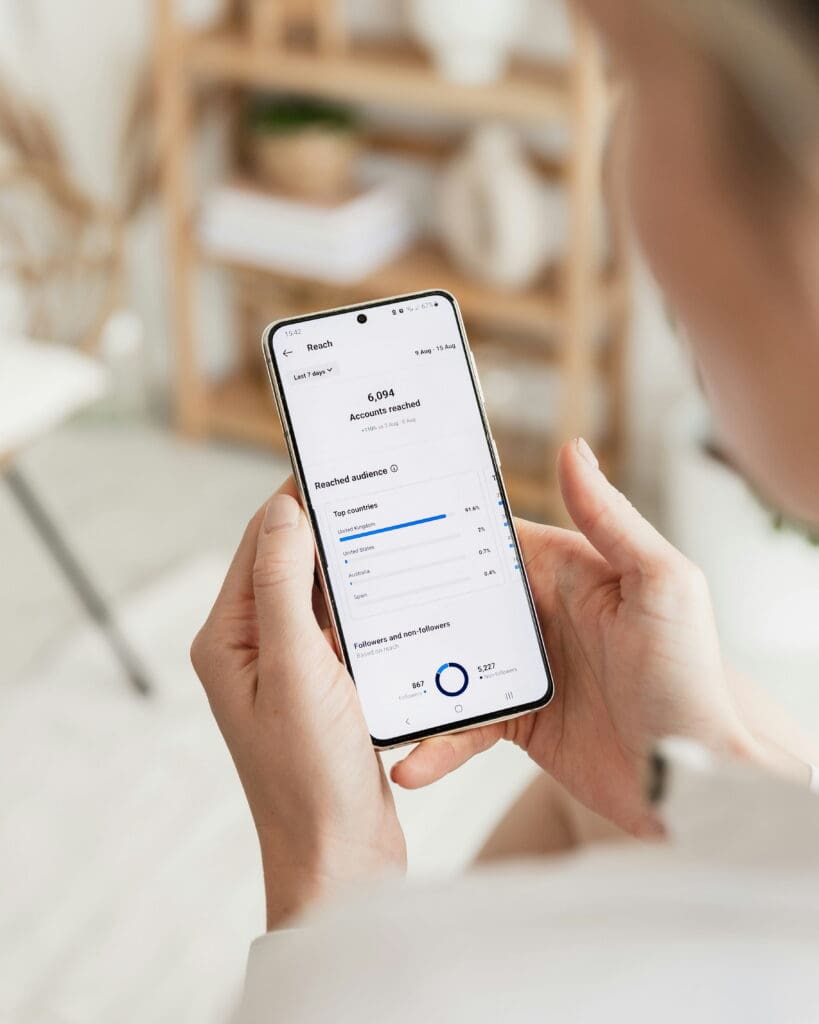
Engagement
So, we’ve talked about content, now let’s talk about engagement or real-life fans.
Brands are looking for creators who already engage authentically with them or other brands. I personally think that this is the most underrated PR strategy because it’s also the most intimidating. However, some of my earliest brand relationships came from simply being a fan first.
Brands are paying attention to:
- Their community. The people who are already true fans
- And true fans who are already generating organic content about their product.
My Forever 21 Example
Forever 21 was my first big brand deal. I had just hit 10,000 followers on Instagram, and I was doing portrait modeling at the time. My ‘strategy’ at the time was to post my photoshoots online and tag the brands I was wearing. At this time, I was wearing a lot of Forever 21. I was following the brand, replying to their stories, and genuinely tagging them in my content.
Sure enough, after maybe a year of engaging with the brand online, they reached out to me! At the time, they said, “Hey, we see your content. We’d love to invite you to an in-person event in San Diego and give you $500 in shopping credit. You could come document it, post about it. We just want to help launch this local campaign, and you look like a great fit.” And my response was, “Oh my gosh, yes.”
The only reason that happened was that I was tagging them in my posts, and I was genuinely a true fan of the brand.

My Bulletproof Example
This happened again with a coffee brand called Bulletproof. This was another brand that I genuinely loved, and I was always sharing their coffee in my stories. After a while, they replied to my stories and said, “Hey, thanks for sharing. Can we send you some new products that we’re launching soon?” and once again, I said, “Yes, definitely.”
This turned into a long-term partnership in which they sent me PR for their new products and launches for years.
Being a genuine fan of a brand is the best way to be noticed by it. That’s how I got on PR lists at the very beginning, and it’s a strategy I still teach my students today.

Audience
We’ve talked about content and engagement; now let’s talk about your audience. Your audience is a major factor brands consider when determining whether you’re a good fit for PR. And no, I don’t mean your follower number.
What brands are really looking at here is how engaged your audience is with you.
Let’s say you have 1,000 followers, and every time you post, people truly engage with you. Your audience is asking you questions, commenting, and they’re genuinely interested in what you’re posting about. That is a huge green flag for brands, because that means your audience is paying attention to you, your content, and your interests.
Brands can use this to organically get in front of your audience through PR.
Not only that, but if you have an engaged audience who is also the right fit for the brand’s target audience, that is a match made in heaven.
For example, let’s say your audience is newly postpartum moms. If a brand has a product that’s been designed for postpartum moms, they’re not going to send PR to some random gym-bro-dude. They’re going to want to get in front of YOUR audience.
If you have a specific, niche, and engaged audience, you have a huge advantage in receiving more PR from the brands you want to work with.
Those are the three things I think brands look for when choosing who to send PR to. Now, let’s talk about six things that you can do right now to start getting PR from brands.
6 Things You Can Do Now to Start Getting PR from Brands
These are the six things that you can do right now to start getting discovered and considered for PR.
Put Your Email in Your Bio
First things first, put your email in your bio. Yup. It’s that simple.
Brands are doing a lot of their research on desktops. That little ‘email’ button on your profile isn’t discoverable on the desktop. That button simply doesn’t exist on desktop, which means if that’s the only way brands can contact you… Then you’re undiscoverable on desktop.
Sometimes a brand reaches out via DM, but that’s rare. They’re way more likely to reach out via email. So, make yourself easy to contact. An email in bio is the best way to do that.
Also, if brands are using tools like Modash, this ‘email in bio’ strategy is even more important because brands can use Modash to find creators who are aligned with them and who have their email easily accessible.
If a brand can know you’re the right fit and contact you in less than 5 seconds, you’re in.

Create ‘Product-First’ Content
Next up, create content that already includes your favorite products. I’m sure you already know this from my previous examples, but if you want to gain experience creating ‘product-first’ content, here’s what I recommend.
Walk around your house and note the products that you genuinely use every single day. Whether it’s skincare, makeup, coffee, food, workouts, or anything else, just note what already exists in your daily routine.
Now, I’m not saying that you need to make a video about every single product that you use. That might not make sense with your personal brand. But any product or anything you’re using that aligns with your brand, start including it naturally in your content.
This isn’t about selling. This isn’t about holding up the product and talking about it directly.
Just start using the product in your routine. The perfect example of this is my morning coffee videos. Coffee has nothing to do with my niche, but it’s such a huge part of my life. I’ve found a way to share so many products that I love, without ever stopping my educational content.
Tag the Brand!
This step cannot be skipped if you want to get PR from your favorite brands. Engage, tag, and become a huge fan of the brands that you want to partner with.
Also, make sure that you’re following the brand. If you want to get a brand’s attention on Instagram or TikTok, it’s so important that you’re following them and engaging with the content that they’re already creating. Even just once a week, reply to their posts or stories so that you can get in front of them and become a familiar face.
When a brand sees that you’re already obsessed with them, they’re more likely to keep you in mind for future PR packages.
Post Consistently
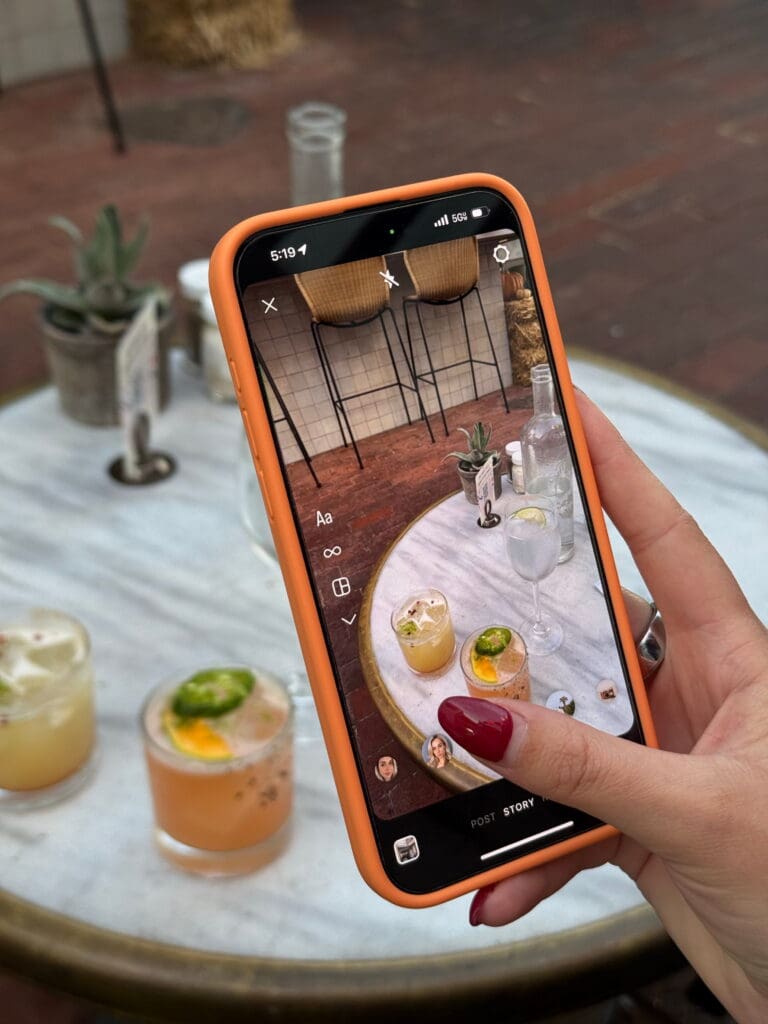
The fourth thing you can do to start getting PR packages is stay consistent online. If you know me, then you know I hate giving this advice because it’s one of those generic tips like “pick a niche, provide value, stay consistent.” It’s advice I don’t need to give you because you already know that you should be posting consistently.
But when it comes to getting PR packages from your favorite brands, staying consistent really is so important. Imagine that you’re the perfect fit for a brand. You have their ideal audience, you create content aligned with them, and you are, in every sense, the perfect fit.
But… you ghost your audience. You post for a week or two… and then you disappear for another week or two. Brands are going to take one look at that and think you’re unreliable. A lot of PR is sent to generate buzz around a new product or launch. If a brand can’t trust that you’ll be posting when they need you, they’re not going to be likely to send you their PR.
There is so much value in posting consistently, which is why I always tell my students to pick a posting cadence that they could stick with for YEARS. Posting 2x a week for 2 years is so much more valuable than posting every day for 2 weeks and then disappearing for 2 months.
When you post consistently, you get the added benefit of brands knowing that you’re a serious and dedicated content creator who’s worth partnering with. That’s why I’ve told you here to post consistently if you want to receive PR from brands.
Look at Other Creators
The next thing I recommend if you want to start getting PR from brands is studying the other creators in your niche or industry. I like to call this “looking at your niche neighbors.”
Look at the people in your niche to see what kind of PR they’re getting, and if you see them getting PR from certain brands, you can know that it’s in the realm of possibility for you to receive PR from that brand as well. I recommend saving the brands that you see other creators getting PR from, so that you have a running list of products to try and include in your content in the future.
And if you see creators creating content about brands that you already know and love, start sharing those products in your content and engaging with the brand in an organic way, so that you can get yourself on their PR list in the future.
There’s a good chance you could even end up receiving PR from brands that don’t have anything to do with your niche. Take my coffee content and coffee PR for example. Or another example is Good Molecules. I’ve received PR from them, and because of that, I’ve become a genuine fan of their products. Skincare doesn’t fit my brand, but if I’m filming a video about getting ready for the day, you know I’m going to use them.

Pitching
The last thing you can do to start getting PR from brands is pitch them. This is by far the most intimidating way to get PR because it requires you to reach out and ask to be added to their PR list. But hey, it works. If you want a brand’s attention and you can see that they’re sending PR boxes, reach out to them. However, before you reach out to a brand, make sure that you’re doing EVERYTHING else I’ve recommended.
Make sure you are posting consistently and make sure you have content that the brand would love. Finally, make sure you’re already a huge fan. Then, if you know they do PR, reach out and ask to be put on their list.
This is what I did years ago with Mr. Coffee. I reached out to them for a partnership opportunity, and at the time, I basically just said, “Hey, I love your products, and I’d love to work with you at some point.” I added a personal connection, telling them that Mr. Coffee was my first coffee maker when I moved out for college and that, for years, I was an OG Mr. Coffee fan.
And guess what! I got PR from them. They sent me their entire espresso machine, too. All because I had a personal connection and was a true brand fan. All that’s to say, pitching is a great way to start getting PR from brands.

Getting PR & Paying Taxes
Now, to wrap everything up, I want to talk about PR and taxes, because PR can be treated as taxable income if received in exchange for content or promotion.
Disclaimer: This is not tax advice. I am not a tax expert. I am sharing what I know from my experience, and, of course, when you file taxes, you should run everything past your CPA. That way, you’re getting actual help and support. This isn’t something that I see enough educators talking about.
If you’re required to post, if the brand is sending PR with the expectation of content in return, the fair market value or the retail price of the product that you received is considered income and needs to be reported when filing your taxes.
That is why it is so important to clarify whether or not there is an obligation to post before you agree to receive a product. If you’re required to post, you may be asked to sign a written contract that outlines the terms. Or it could be agreed to in email exchanges. Basically, any verbal agreement to post in exchange for the product should be treated as taxable income and reported.
On the other hand, if the product is a true gift with no obligation to post, no string attached, then it’s generally not taxable, so you might not even have to report that at all.
Taking a look at the examples from before, the coffee beans that were sent to me as a gift that I never had to post about, I might not have to report them. But the espresso machine, that’s income. So I would need to figure out how much this Ninja Lux was on their website. OK, that was my payment method, and I have to track it as income.
What does all of this mean for you? Let’s simplify it for a second.
What I want you to do is make a spreadsheet in Google that includes:
- The brand’s name
- The item
- The retail value
- The date received
- Whether or not you were required to post
That’s it. That’s all you have to keep track of. Anytime you receive PR, add it to your spreadsheet.
Then, when you file your taxes, pull up your spreadsheet and include the total retail value of PR that was required to post as income. That is just non-cash compensation.
Now, this is where things get interesting. Let’s say you’re a content creator who loves to trade for posts. You want free stuff, and you’re happy to post about it.
Well, what you don’t know is that all that free stuff is adding up as taxable income at the end of the year. Let’s say you add all of these products’ retail values to your spreadsheet and, at the end of the year, you make $10,000 in PR. This isn’t cash in your pocket; it’s the products you received. However, that’s still $10,000 of income that you need to report.
Now you have to pay taxes on that income. Unfortunately, the IRS doesn’t accept espresso machines in exchange for taxes. You’ve got to pay them money, even though you didn’t earn any money from the collaboration.
That’s where ‘Trade for Post’ gets sticky, and that’s why a lot of people don’t want creators taking these partnerships. Doing too many of these styles of collaborations could come back to bite you in the butt.

Recognizing Verbiage
To protect yourself, there are some nuances and phrases you can get used to using when a brand reaches out to you. You could say something like, “I’m happy to receive gifted products for consideration. Just want to confirm there’s no obligation to post, and any content that I share would be at my discretion. Any guaranteed deliverables or posting commitments would be part of sponsored opportunities only.”
You could tell a brand that if they want a dedicated post, they need to pay you. But this needs to be determined and agreed upon before the brand sends you the products.
If there’s anything about getting PR from brands I didn’t cover, or any questions you have about it, just let me know in the comments below. I’ll be collecting any questions that I get about PR to make a part two to this post!
And if you’re ready to become a full-time content creator this year, make sure to read this post next.
I’ll see you in the next one, follow your joy!





This was so useful! Thank you very much! Will be looking up modash! Any advice for creators who are multilingual? My audience is Asian women who speak a particular language( I have 14k followers in total). I use English subtitles to translate. Is there anything else I need to do to get noticed by brands?
Great blog, Millie, simple to follow and very practical. I had not considered the income reporting element, so thanks for pointing that out. And I really love hearing about your experience when you first started how you collaborated with brands and really just used it as practice. Love your work!